Bitcoin Could Be Entering a New Bull Market Despite Latest Sell-Off
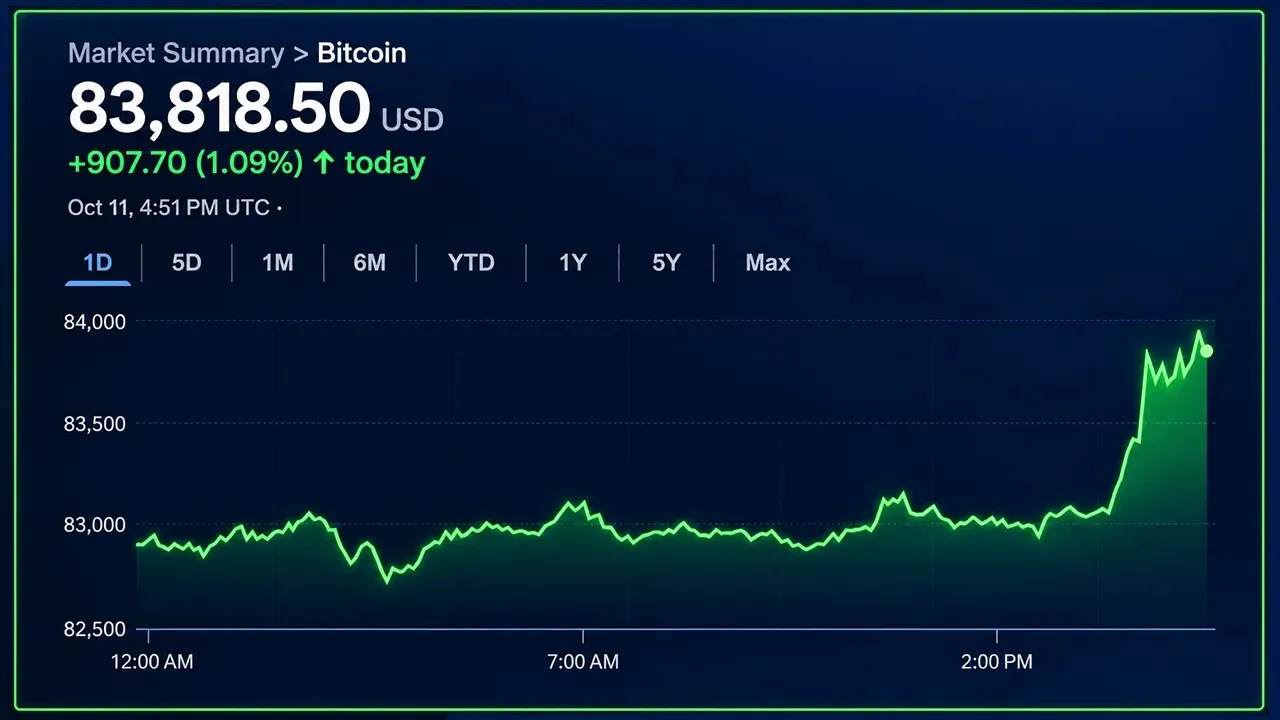
Despite the market dip and liquidations over the past week, Bitcoin has seemingly entered a bull market, as the analysis of its 50-week moving average shows. BloFin Research argues that Bitcoins traditional four-year boom-and-bust cycle is gradually losing strength. Future rallies could deliver smaller gains, followed by shorter and less severe downturns. Why Bitcoins Bear Market May Already Be Over The strongest evidence comes from Bitcoins recovery above its 50-week moving average, a technical indicator that previously signaled bull-market transitions in 2015, 2019 and 2023. Bitcoin reclaimed this level near $78,800 in September. It subsequently traded above $86,000 in early October. Meanwhile, Bitcoins MVRV ratio, which compares its current market value with the average price investors paid for their coins, moved above its annual average. As of October 11, MVRV stood near 1.54, above its 365-day average of 1.44. This suggests the longer-term recovery remains intact despite recent selling. It means Bitcoins market strength is improving, a signal that has previously appeared during the early stages of bull markets. Bitcoin MVRV Ratio. Source: GlassnodeBitcoins Historic Crashes Are Getting Smaller BloFins most significant finding concerns the declining severity of Bitcoins market cycles. Bitcoin fell approximately 53% from its October 2025 peak of $124,824 to $58,525 in June 2026. Previous bear