U.S. Bank tests proprietary stablecoin in cross-border Stellar transaction
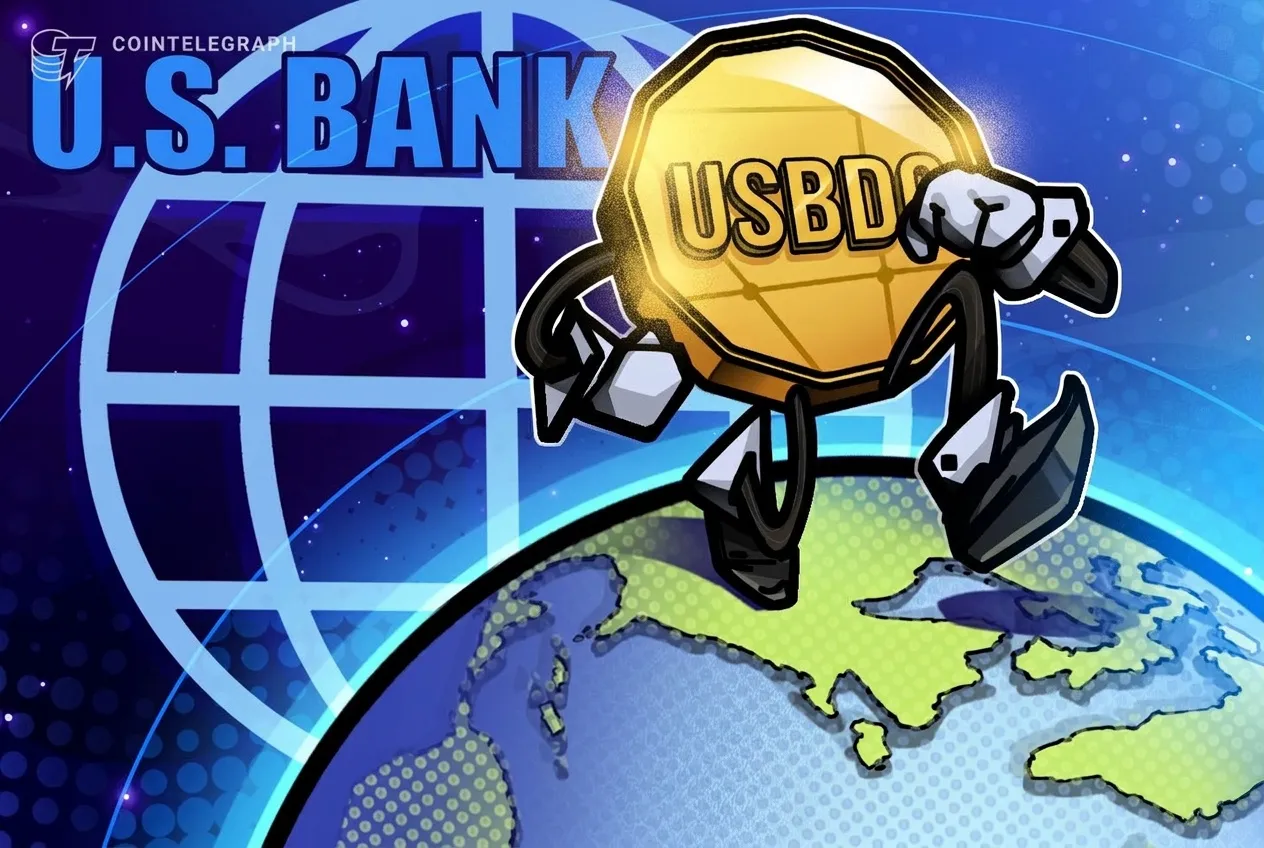
U.S. Bank, the fifth-largest commercial bank in the United States, has completed a live cross-border payment using its proprietary USBDC stablecoin on the Stellar blockchain. The pilot moved funds between U.S. Bank entities in North America and Europe, with USBDC issued and transferred on the public Stellar network. It also tested the stablecoin‘s minting, redemption, freezing and clawback functions while integrating with the bank’s existing risk, compliance and operations systems. The transaction validated U.S. Banks internally developed Digital Asset Platform, which connects tokenized assets with its traditional banking infrastructure, the bank said Wednesday. The Minneapolis, Minnesota-based bank is exploring additional uses including cross-border treasury operations, liquidity management and moving collateral onchain. The pilot builds on U.S. Banks broader push into digital assets. In October 2025, the bank established a dedicated Digital Assets and Money Movement unit focused on stablecoin issuance, crypto custody, asset tokenization and digital money movement. The countrys sixth-largest financial institution by assets, U.S. Bank has been testing custom stablecoin issuance on Stellar since at least November 2025, working alongside PwC and the Stellar Development Foundation. Related: Jack Dorseys Block seeks US trust bank charter for Bitcoin, stablecoin Banks deepen stablecoin push While American banks have pushed back against allowing stablecoin issuers and crypto platforms