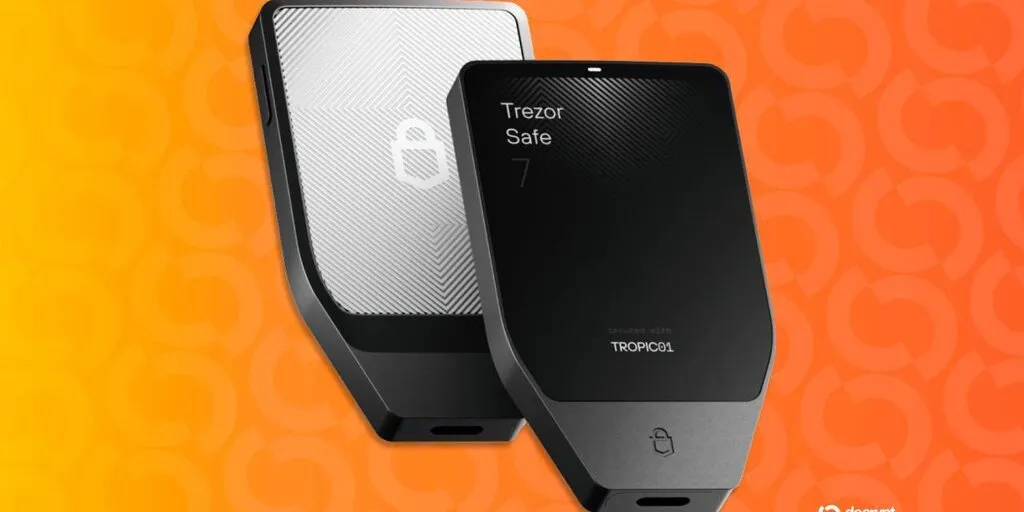
67,000 More Trezor Customers Exposed as Data Breach Widens
In briefTrezor said Friday that another 67,000 U.S. customers were caught in the ShipMonk breach it disclosed last month.The records cover orders placed between November 2019 and August 2021, and include names, phone numbers and home addresses.Trezor says it repeatedly received written confirmation from ShipMonk that the data had been deleted. Another 67,000 Trezor customers had their names, email addresses, phone numbers, home addresses and order numbers exposed in the breach at shipping provider ShipMonk, the hardware wallet maker said on Friday. All of them are in the U.S., and all placed orders between November 2019 and August 2021, making some of the exposed records close to seven years old. ShipMonk passed on the finding two days ago. Two days ago, we received an update from our shipping provider, ShipMonk. Were deeply saddened to share the news that the recent data breach affects more customers than originally thought. Another 67,000 customers from the US who ordered between November 2019 and August 2021… https://t.co/yDQvTlAA2S — Trezor (@Trezor) September 4, 2026 Trezor repeatedly asked for and received written confirmation that those records had been deleted, in line with its contract and data policy, and said it was disappointed to learn they had not been. When it disclosed the breach