BaFinRegulated
Germany Crypto Asset Trading License (STP)





Germany Crypto Asset Trading License (STP)

What is IG (IG Securities)?
IG (IG Securities) is a broker that offers trading in forex, cryptocurrencies, stocks, indices, commodities, and metals, among other products.
Platform Features
The platform is a leading company in forex, CFDs, and knock-out options (Knock-Out Options), a subsidiary of the IG Group listed on the London Stock Exchange. It offers over 17,000 CFD products, including stocks, stock indices, commodities, etc., both domestic and international, with trust account protection and a 3-step account opening. The platform features low spreads, fast execution, and a secure and stable trading platform, providing multiple account types and trading tools. (Forex/CFDs are high-risk leveraged products; users should exercise their own judgment.)
Danger
Warnings (unauthorised firms and other entities).

Danger
FCA Warning List of unauthorised firms ICT Market 24 / ictmarket24.com (Clone of FCA Authorised Firm)
Danger
FCA Warning List of unauthorised firms Wig Markets (Clone) (clone of FCA authorised firm)
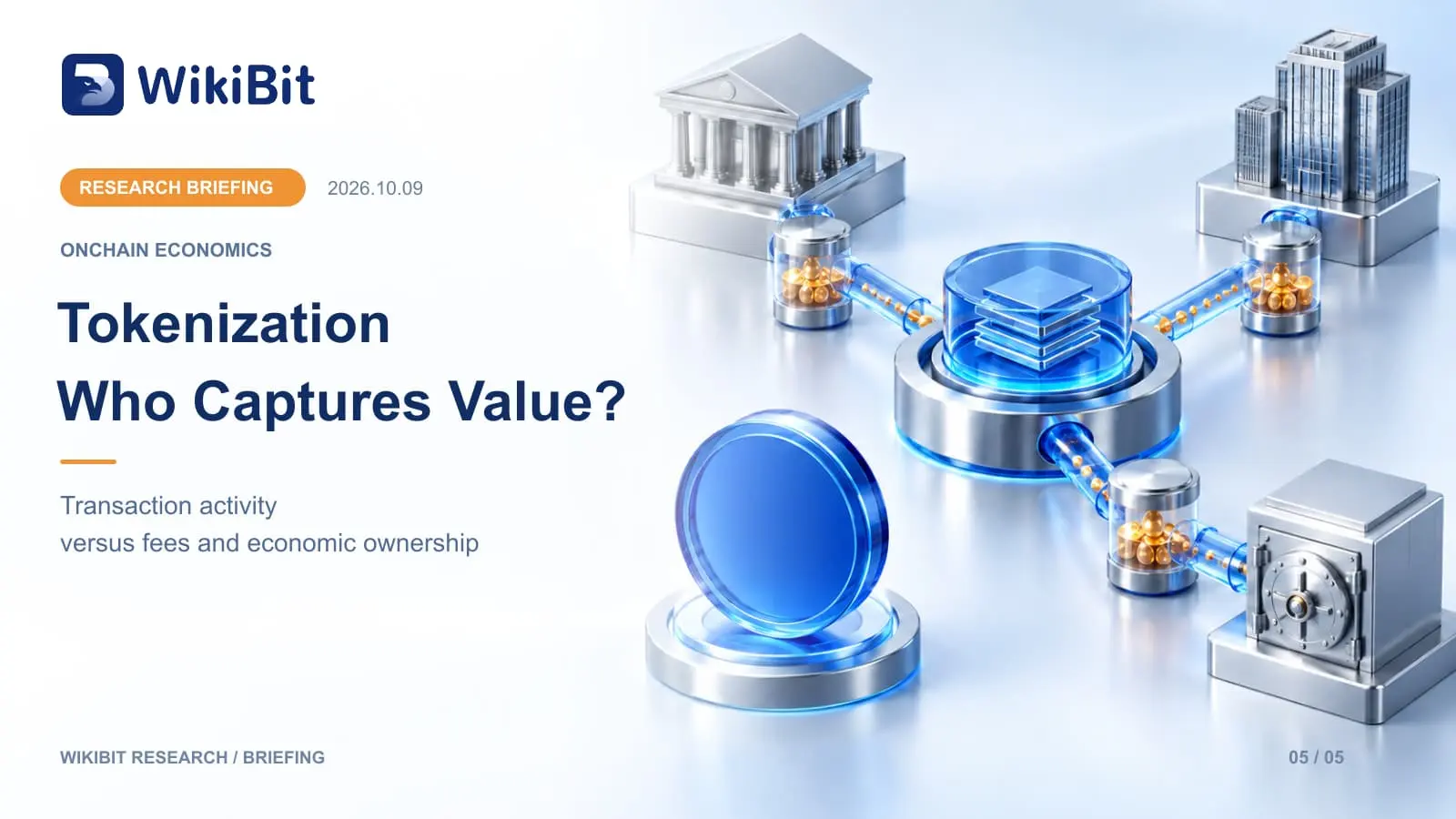
The most important question about tokenization has changed. For years it was: Can financial assets be represented on a blockchain? Now the more useful question is: Who earns money when those assets move, trade, borrow, settle and generate yield onchain? That is the central argument of Breaking the Wall, a new long-form report published on October 8, 2026 by Citrini Research. The firm sees a potential convergence between traditional finance, programmable assets and AI-operated financial workflows. But it cautions against a shortcut that has dominated crypto market narratives: assuming that broader blockchain adoption automatically makes Bitcoin, Ether or every token associated with tokenization more valuable. The reports framing is a thesis, not a proven forecast. Tokenized stocks and bonds can grow while some blockchain tokens underperform. Conversely, a service provider can build a valuable business from onchain activity without issuing a token at all. This distinction is not academic. It determines how investors should evaluate the rapidly expanding set of companies, protocols and governance tokens marketed as “RWA winners.”Asset Growth, Network Usage and Value Capture Are Three Different Things Imagine $10 billion of tokenized government securities issued on a blockchain. That is a large headline issuance figure. But what happens economically depends on how the tokens are
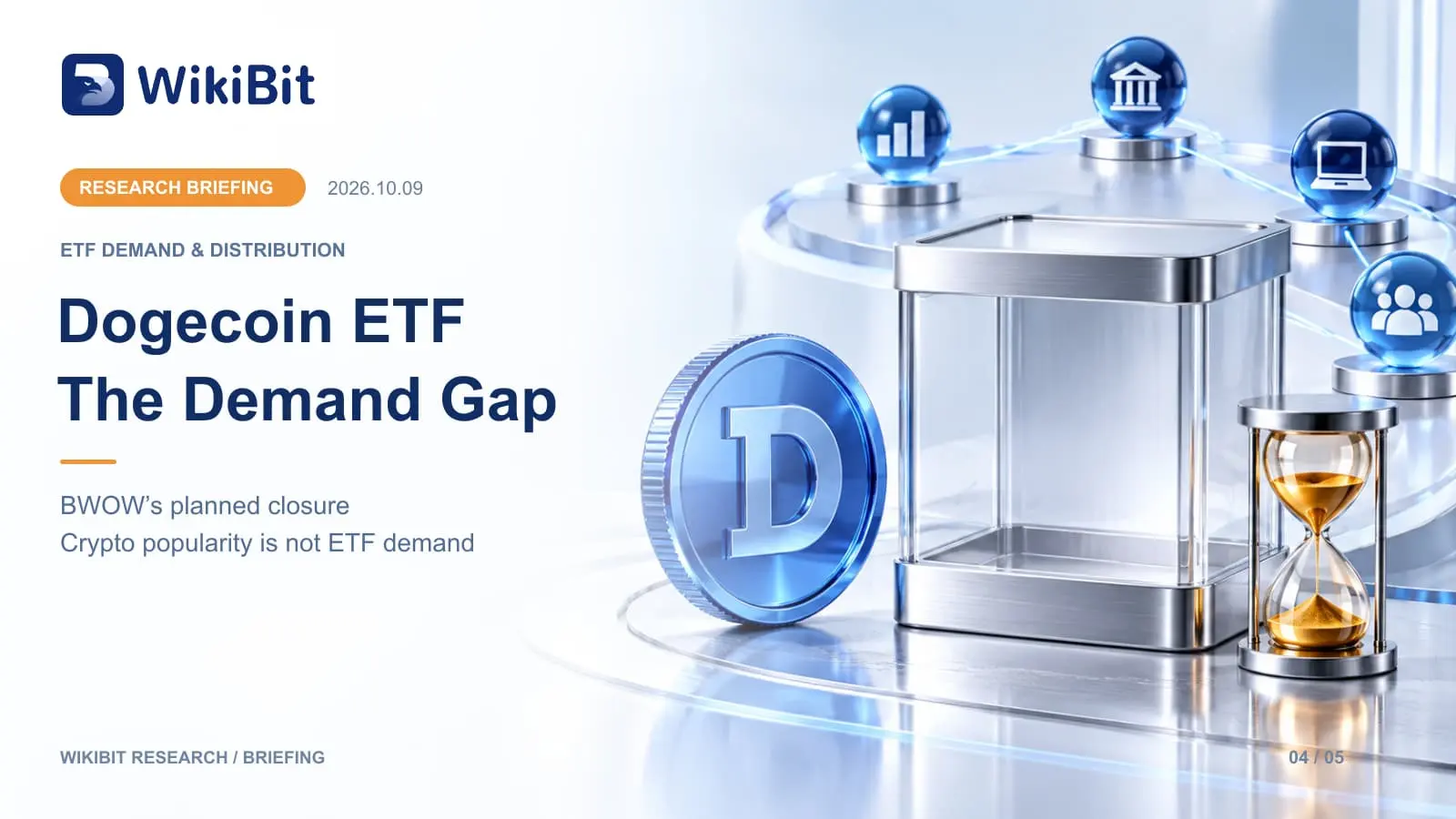
Dogecoin can be culturally important, actively traded and widely recognized—and still fail as an exchange-traded investment product. On October 8, Bitwise CEO Hunter Horsley described the poor reception of his firms Dogecoin ETF as evidence of a meaningful divide between investors who use traditional brokerage ETFs and traders who use crypto-native applications. The Bitwise Dogecoin ETF, ticker BWOW, is scheduled to trade for the final time on October 14, 2026, with liquidation and cash distributions expected around October 22. This is not a new closure announcement. Bitwise disclosed its decision on September 10. What changed on October 8 was the CEOs candid interpretation of why the product failed to attract a durable audience. BWOW had approximately $725,870 in net assets as of October 7, according to SoSoValue data reported by The Block, and only about $51,480 in September trading volume. Those numbers are extremely small for a listed product that needs a viable base of assets, market-making and operating economics. The more important conclusion is not that DOGE has no audience. It is that an assets audience and an ETFs audience are different markets.A Popular Token Does Not Automatically Have Institutional Buyers Dogecoins economic and cultural appeal has largely grown through internet communities, online trading
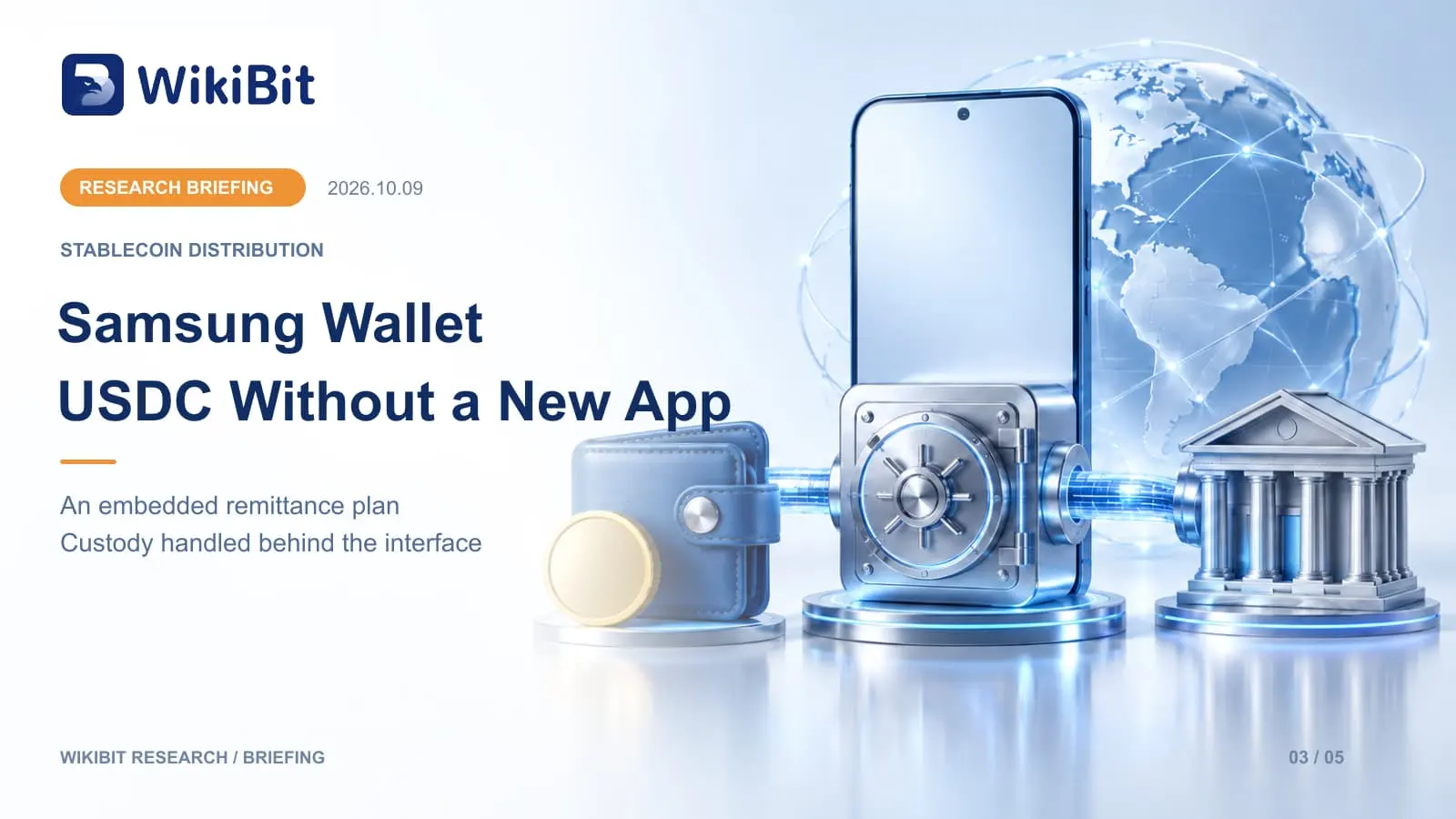
The most important part of Samsungs latest stablecoin announcement is what the user will not need to do. They will not need to install a separate crypto application or learn how to safeguard a seed phrase. Samsung says eligible U.S. Galaxy users will be able to make cross-border USDC transfers directly inside Samsung Wallet beginning in the last week of October 2026. The feature will support transfers to compatible crypto wallets and eligible bank accounts in more than 60 countries, with local-currency delivery possible for bank-account recipients. Samsung estimates the service will be available across 82 million U.S. Galaxy devices. That is a device distribution figure, not 82 million new crypto wallets, customers or transactions. Availability will still depend on device compatibility, identity and geographic eligibility. The product is significant because stablecoin adoption may increasingly arrive as a feature of software people already use, rather than as a decision to enter a new asset class.A Payment Feature, Not a New Layer 1 Samsungs October 7 announcement identifies USDC as the initial stablecoin. It says Bastion will provide the cross-border payment infrastructure and Coinbase will act as Bastions sub-custodian through Coinbase Prime Vault. User access requires biometric authentication on compatible registered devices. Infrastructure and network support